
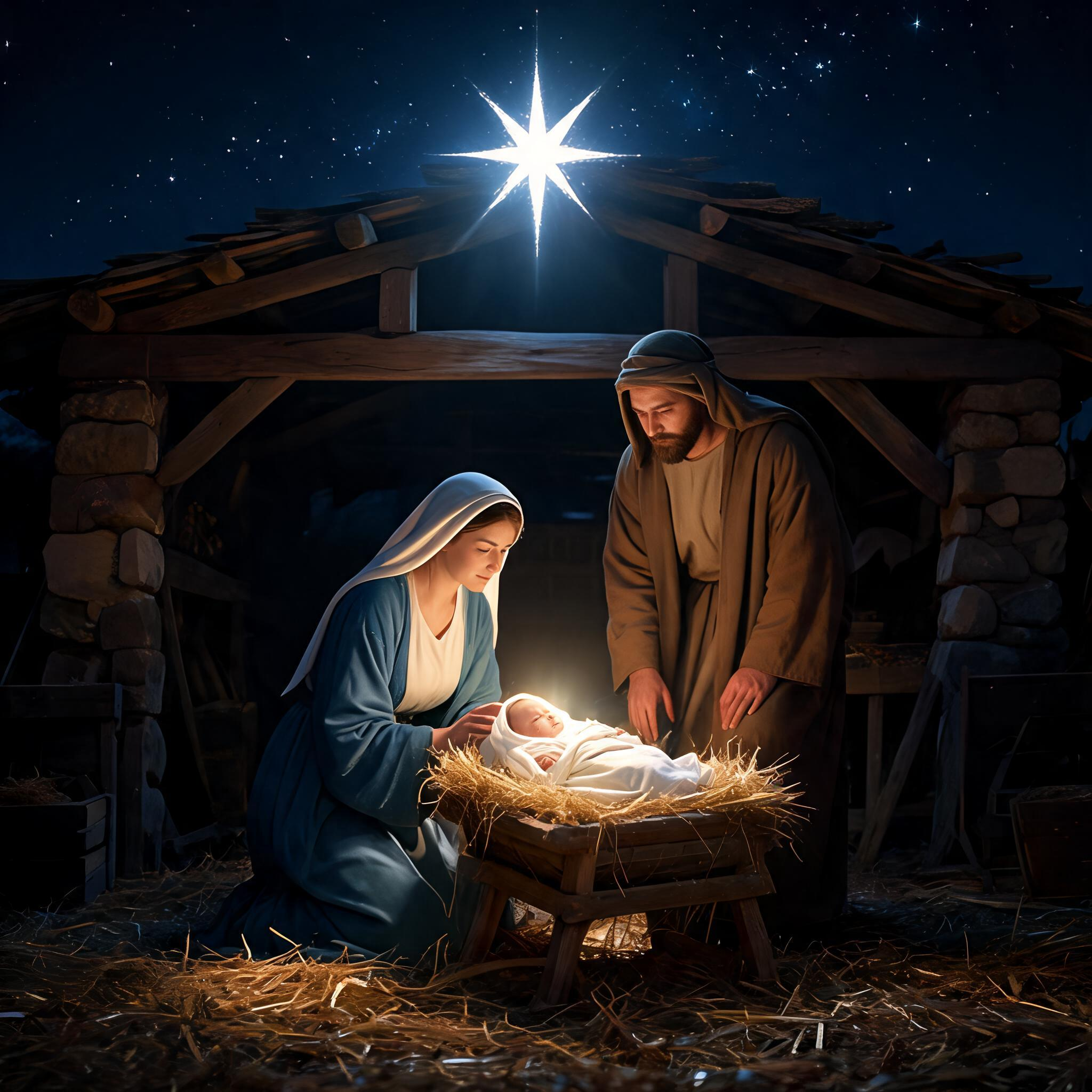
The True Meaning of Christmas goes far beyond decorations, Christmas trees, gifts, and festive celebrations. It is about celebrating the birth of Jesus Christ, the Son of God, who came into the world to bring hope, salvation, peace, and everlasting love to humanity. Every year, Christians around the world celebrate Christmas as a reminder of God’s incredible love for mankind and His wonderful plan to restore our relationship with Him.
Although Christmas is often associated with shopping, parties, delicious meals, and family gatherings, its deepest meaning lies in the birth of Jesus Christ. His arrival changed the course of human history and gave the world a reason to hope for a better future. Therefore, understanding the true meaning of Christmas helps us celebrate the season with gratitude, faith, kindness, and a renewed commitment to God’s Word.
As we prepare for Christmas, it is important to look beyond the excitement of the season and remember the precious gift God gave to the world through His Son.
1. Christmas Celebrates the Birth of Jesus Christ
At the heart of Christmas is the birth of Jesus Christ. According to the Bible, Jesus was born in Bethlehem during the reign of King Herod. His birth fulfilled God’s promise to send a Saviour who would deliver humanity from sin and bring people closer to Him.
The story of Jesus’ birth is recorded in the Gospels of Matthew and Luke. Mary, His mother, was visited by the angel Gabriel, who told her that she would give birth to the Son of God. Although Mary and Joseph faced challenges, they trusted God’s plan and accepted the responsibility He had given them.
When the time came for Jesus to be born, Mary and Joseph travelled to Bethlehem. Because there was no suitable guest room available, Jesus was laid in a manger. This humble beginning teaches us an important lesson: God’s greatest gifts do not always arrive with earthly wealth, power, or recognition.
Furthermore, the birth of Jesus shows that God chose to come close to humanity in a remarkable way. Jesus did not enter the world as a wealthy king surrounded by luxury. Instead, He was born in humble circumstances, demonstrating humility and God’s desire to reach every person, regardless of social or financial status.
Therefore, Christmas is an opportunity to remember the birth of our Saviour and reflect on the purpose of His coming.
2. Christmas Reveals God’s Unconditional Love
One of the most important lessons of Christmas is the extraordinary love God has for humanity. The birth of Jesus was not an ordinary event. It was part of God’s plan to save humanity and restore the relationship between Himself and His creation.
John 3:16 explains this love beautifully: God loved the world so much that He gave His only Son so that everyone who believes in Him may have eternal life.
This powerful message reminds us that God’s love is not limited to a particular nation, family, or group of people. His love reaches everyone. Through Jesus Christ, God offered humanity the opportunity to receive forgiveness, experience His grace, and enjoy a renewed relationship with Him.
Moreover, Christmas encourages us to demonstrate this same love in our daily lives. It reminds us to forgive those who have offended us, show compassion to people in need, and treat others with respect.
For example, visiting someone who feels lonely, helping a struggling family, or offering encouragement to a person going through a difficult season can reflect the love of Christ.
Consequently, celebrating Christmas should involve more than receiving gifts. It should also inspire us to become more loving, patient, generous, and compassionate towards others.
3. Jesus Christ Is the Greatest Gift of Christmas
Gift-giving has become a popular Christmas tradition. Families exchange presents, friends surprise one another, and parents make special efforts to bring joy to their children. While these activities can make the season memorable, the greatest gift of Christmas is Jesus Christ Himself.
God gave Jesus to the world because of His love for humanity. Through His life, teachings, death, and resurrection, Jesus revealed God’s character and provided the way to salvation.
Unlike material gifts, which may lose their value or eventually wear out, the gift of salvation offers a lasting spiritual promise to those who believe in Christ.
Therefore, Christmas invites us to consider the meaning behind the gifts we give and receive. Rather than focusing only on expensive presents, we can use the season to express genuine love and appreciation.
A thoughtful gift, a sincere prayer, a helping hand, or a message of encouragement can make a meaningful difference in someone’s life.
In addition, we can make Jesus the centre of our celebrations by reading the Christmas story, praying together as a family, singing hymns, and discussing what His birth means to us.
Ultimately, the most important question is not how many gifts we receive but how deeply we appreciate God’s gift to humanity.
4. Christmas Brings Hope to a Troubled World
Life can be challenging. Many people experience financial difficulties, illness, grief, disappointment, family problems, and uncertainty about the future. During such moments, it can be difficult to remain hopeful.
However, the birth of Jesus Christ reminds us that darkness does not have the final word. Jesus came to bring light to the world and offer hope to those who trust in Him.
In Luke 2:10–11, the angel announced good news of great joy to the shepherds, declaring that a Saviour had been born. This announcement showed that the birth of Jesus was a reason for joy and hope.
Furthermore, the message of Christmas reminds us that God has not abandoned humanity. Even when life feels uncertain, we can turn to Him in prayer and trust His promises.
For Christians, this hope is not based on having a perfect life or avoiding every difficulty. Instead, it comes from knowing that God remains faithful and that Jesus Christ offers spiritual restoration and eternal life.
During Christmas, we can share this hope with others by encouraging those who are discouraged, supporting people experiencing hardship, and reminding them that their lives have value.
In this way, Christmas becomes more than an annual celebration. It becomes an opportunity to spread the message of hope that Jesus brought into the world.
5. Christmas Teaches Us the Importance of Peace
Peace is another important part of the Christmas message. When Jesus was born, the angels praised God and proclaimed peace on earth among those who receive His favour.
This message reminds us that God desires reconciliation, love, and harmony among people.
Unfortunately, the Christmas season can sometimes become stressful. People may worry about the cost of food, clothing, travel, gifts, and family celebrations. Others may experience disagreements with relatives or feel pressured to meet unrealistic expectations.
Nevertheless, the true meaning of Christmas encourages us to choose peace over unnecessary conflict.
We can begin by forgiving those who have hurt us, resolving disagreements respectfully, and avoiding words or actions that create division. Similarly, we can promote peace in our homes by practising patience, listening carefully, and showing understanding.
Most importantly, we should remember that lasting peace begins with our relationship with God. Through Jesus Christ, believers can find spiritual peace even when circumstances are difficult.
Therefore, as we celebrate Christmas, let us make room for prayer, gratitude, reconciliation, and kindness. These values help us experience the deeper joy of the season.
6. Christmas Reminds Us to Give to Those in Need
Giving is one of the most beautiful ways to express the spirit of Christmas. However, generosity should not be measured only by the amount of money we spend.
The example of Jesus teaches us to care for people who are vulnerable, overlooked, or struggling. Throughout His ministry, Jesus showed compassion to the sick, welcomed those who were rejected, and taught His followers to love their neighbours.
Consequently, Christmas provides an opportunity to put these teachings into practice.
For instance, families can donate food to people in need, provide clothing for children, support charitable organisations, or visit people who are lonely. Churches can organise outreach programmes, while individuals can contribute their time and skills to help others.
Even small acts of kindness can make a difference. Sharing a meal, paying attention to someone who feels forgotten, or helping a neighbour with a practical need can communicate love and dignity.
Moreover, generosity should continue after the Christmas season. The message of Jesus calls us to care for others throughout the year, not only during December.
As a result, we can make Christmas more meaningful by asking ourselves how we can bring joy, comfort, and encouragement to someone else.
7. The Importance of Family, Fellowship, and Togetherness
Christmas is also a special time for families and communities to come together. Many people travel long distances to visit loved ones, share meals, exchange gifts, and create lasting memories.
These traditions can be valuable because they strengthen relationships and remind us of the importance of spending time with the people we love.
However, the true meaning of Christmas goes beyond gathering in the same place. It encourages us to build relationships based on love, forgiveness, respect, and understanding.
For example, families can make Christmas more meaningful by praying together, reading the story of Jesus’ birth, singing Christian songs, and sharing testimonies of God’s goodness throughout the year.
Parents can also use the season to teach children about Jesus, explaining why Christians celebrate His birth and how they can demonstrate His love to others.
Additionally, Christmas can be an opportunity to reconnect with relatives and friends after periods of disagreement or separation. A sincere apology or a willingness to forgive can help rebuild relationships.
Although not everyone has the opportunity to spend Christmas with family, we can extend kindness to friends, neighbours, church members, and people who may otherwise feel alone.
Ultimately, the joy of Christmas grows when we make room for genuine fellowship and meaningful relationships.
8. How to Keep Jesus at the Centre of Christmas
With so many activities competing for our attention, it is easy to become distracted from the spiritual meaning of Christmas. Nevertheless, there are practical ways to keep Jesus Christ at the centre of the celebration.
Read the Christmas story. Set aside time to read Matthew 1–2 and Luke 1–2. These passages explain the events surrounding the birth of Jesus and the significance of His arrival.
Pray and give thanks. Thank God for His love, protection, provision, and the gift of salvation through Jesus Christ. Prayer helps us focus on what truly matters.
Attend a Christmas church service. Worshipping with other believers can strengthen your faith and remind you of the importance of Christ’s birth.
Practise kindness and generosity. Look for practical ways to support people who need help. Remember that giving can involve your time, attention, skills, and resources.
Teach children the meaning of Christmas. Explain the biblical account of Jesus’ birth and encourage children to understand the values of love, humility, gratitude, and compassion.
Choose meaningful gifts. When exchanging presents, focus on the love behind each gift rather than its price. You can also give Christian books, devotionals, Bibles, and other faith-building resources.
Reflect on the life of Jesus. Christmas is a good time to consider how His teachings can influence your decisions, relationships, and daily actions.
By practising these simple habits, we can celebrate Christmas with a deeper sense of purpose and a stronger connection to our faith.
9. The Difference Between Christmas Traditions and the True Meaning of Christmas
Christmas traditions can make the season exciting and memorable. Decorations, Christmas trees, special meals, music, family photographs, and gift exchanges all contribute to the festive atmosphere.
There is nothing inherently wrong with enjoying these activities. In fact, many traditions help families bond and create happy memories.
However, problems arise when these traditions become more important than the reason for the celebration.
For example, someone may spend weeks planning a Christmas party but never take time to reflect on the birth of Jesus. Another person may feel disappointed because they cannot afford expensive gifts, forgetting that the most important gift of Christmas cannot be purchased with money.
Similarly, social pressure can make people believe that a successful Christmas depends on having a large celebration or wearing expensive clothes.
The message of Christ offers a different perspective. Christmas is not a competition, and its value is not determined by how much we spend.
Instead, it is a celebration of God’s love, the coming of our Saviour, and the hope of salvation.
Therefore, enjoy your favourite Christmas traditions, but let them support rather than replace the spiritual purpose of the season.
When Jesus remains at the centre, even a simple Christmas celebration can be filled with gratitude, peace, and joy.
10. Why the True Meaning of Christmas Matters Today
The world continues to face many challenges, including conflict, poverty, loneliness, injustice, and uncertainty. In such circumstances, the message of Christmas remains deeply meaningful.
The birth of Jesus reminds Christians that God entered human history to bring salvation and reveal His love. His life also provides an example of humility, service, compassion, and obedience to God.
Furthermore, the Christmas message challenges us to look beyond ourselves. It encourages us to care for our neighbours, support vulnerable people, forgive others, and become instruments of peace.
In a society where material possessions and outward appearances can receive so much attention, Christmas reminds us that spiritual values are far more important than the things money can buy.
It also encourages us to approach the future with hope. Although we cannot control every situation, we can trust God’s promises and seek His guidance through prayer and Scripture.
For families, Christmas offers an opportunity to build traditions that strengthen faith. For churches, it provides a chance to share the Gospel and serve their communities. For individuals, it is a reminder to reflect on their relationship with God.
Most importantly, the significance of Jesus’ birth extends beyond one day or one month. His message calls us to live with faith, love, humility, and compassion throughout the year.
Conclusion: Celebrate Christmas with Jesus at the Centre
The True Meaning of Christmas is found in celebrating the birth of Jesus Christ, God’s precious gift to humanity. His coming represents love, hope, peace, salvation, and the promise of a renewed relationship with God.
Although Christmas traditions, decorations, meals, and gifts can make the season enjoyable, they should never overshadow the reason Christians celebrate.
Instead, let this season inspire you to grow in faith, appreciate God’s goodness, forgive others, and extend kindness to people in need. Take time to pray, read the Bible, worship with fellow believers, and share the message of Christ with your family and community.
Moreover, remember that the spirit of Christmas should not end when the decorations come down. The love, generosity, and compassion we demonstrate during the season should continue throughout the year.
As you celebrate this Christmas, may your heart be filled with gratitude for the gift of Jesus Christ. May His teachings guide your decisions, His love strengthen your relationships, and His promises give you hope in every season of life.


 No products in the cart.